

Using WordPress? If your form provider is supported by our WordPress plugin, we strongly recommend using it instead of the sGTM setup.The plugin sends form submissions server-to-server, which means:
- 100% of submissions are tracked reliably
- Tracking is not blocked by adblockers, ITP, or browser limitations
- No client-side scripts are required
Step 1: Add the LeadTrackr Tag Template to Your sGTM Container
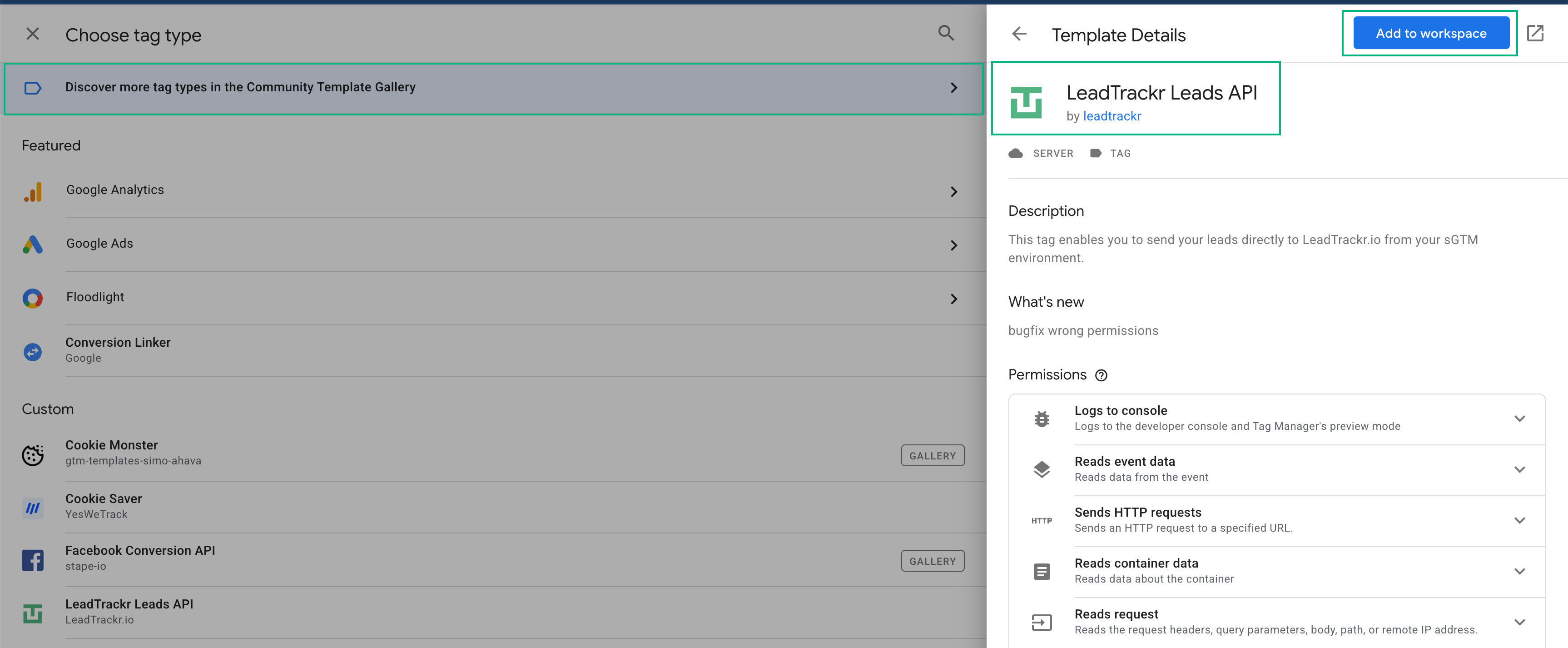
- Go to your server container in Tag Manager
- Click Templates → Search Gallery
- Look for LeadTrackr Leads API
- Click Add to Workspace
Step 2: Create a New LeadTrackr Tag
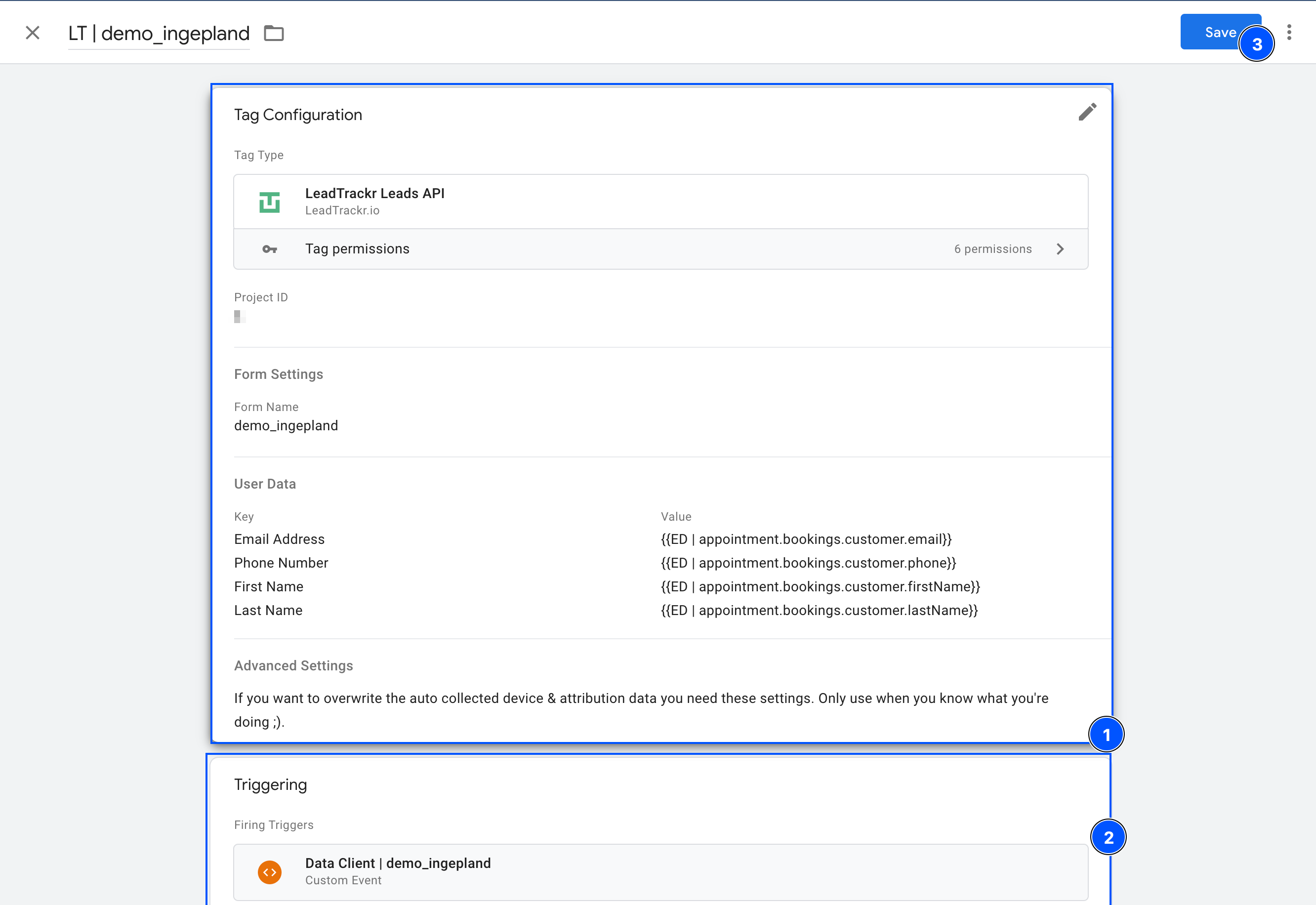
- Go to Tags and click New
- Select LeadTrackr Leads API as the tag type
- Fill in the required fields:
- Project ID
- Form name (descriptive label)
- Any custom form fields or user data fields you want to pass along (e.g. email, phone, message)
Where to Find Your Project ID
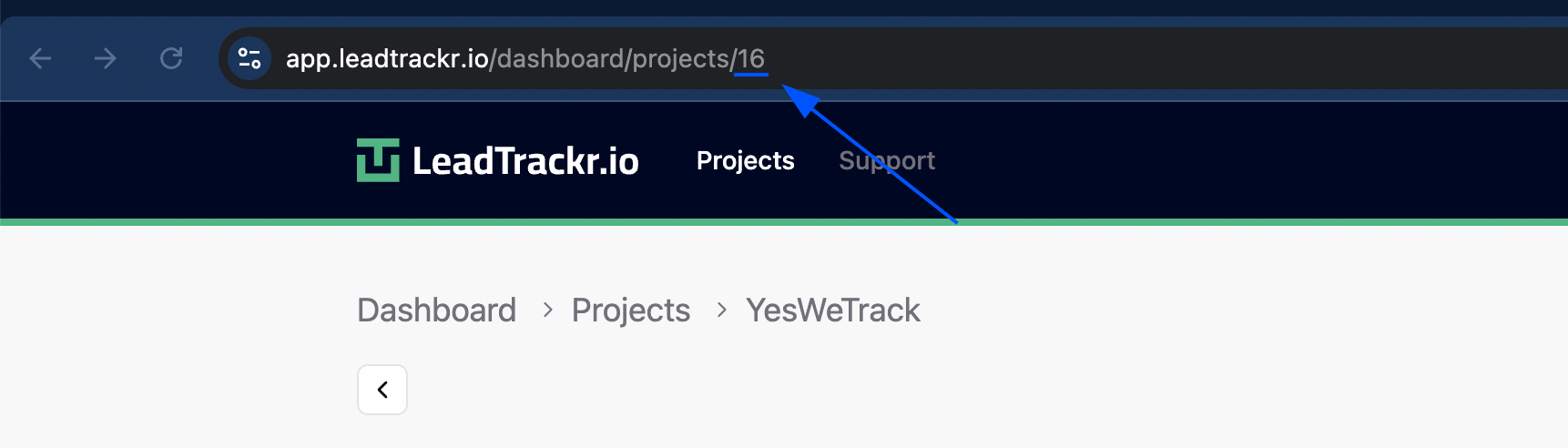
- Go to app.leadtrackr.io/dashboard/projects
- Open the project you want to connect
- Your Project ID is visible in the URL
- Example:
https://app.leadtrackr.io/projects/16→ project ID =16
- Example:
Step 3: Add a Trigger
Attach a trigger that sends the lead event to LeadTrackr. This is typically a custom event, such asform_submission, or an incoming HTTP request handled by your sGTM client.
Step 4: Publish Your Container
Once your tag and trigger are configured, publish your sGTM container. Your form submissions are now sent to LeadTrackr via the Leads API, ready to be rated, qualified, and pushed to ad platforms as offline conversions.Other Lead Source Options
WordPress Forms (Recommended)
Use the WordPress plugin for server-to-server tracking
Google Tag Manager
Use the client-side GTM tag instead
What’s Next?
With your lead source active, set up the Channel Flow Tracker and connect your conversion destinations.Set Up Channel Flow Tracker
Track the full user journey with UTM parameters
Set Up Google Ads Conversions
Send offline conversions to Google Ads
Set Up Meta Integration
Send offline conversions to Meta (Facebook)
Set Up GA4 Integration
Send offline conversions to Google Analytics 4